


Post Harvest
Post-Harvest Development
Under our strategic plan, we are committed to promoting WA seafood consumption, identifying opportunities to increase the utilisation of by-catch and waste products, and actively seeking out all opportunities to increase the viability of the enduring industry.
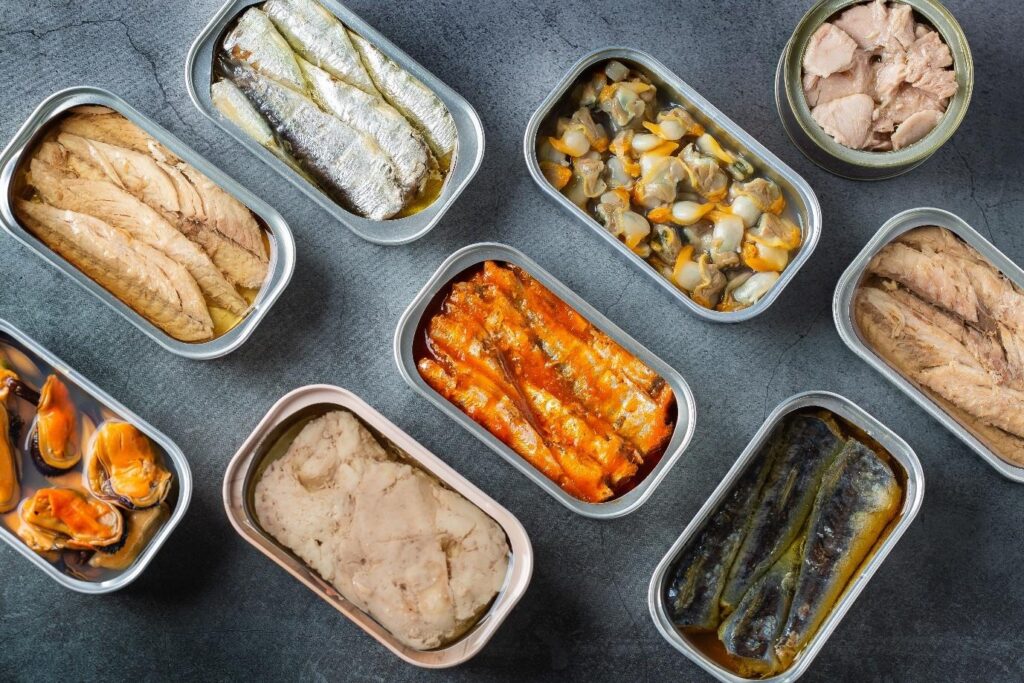
Post-harvest refers to all stages of processing following the capture or harvest of fish or shellfish, through to the consumer to ensure quality and maintain shelf life. Such processes may include cleaning, chilling, processing, preservation, packaging, and distribution. This may also include value addition which involves processing a product further than its natural form, improving the shelf life, nutritional, convenience or economical value.
Fish is highly perishable compared to other proteins and without careful handling, hygiene & temperature control, storage, and transportation there can be significant economic and nutritional loss. This is particularly significant in WA considering the hot summer temperatures and vast distances seafood must travel to reach the consumer.
Why is this important?
The WA population should be consuming two portions of seafood a week, not only because it is a sustainable and renewable protein resource, but because it offers so many health benefits to the consumer, from reducing the chances of diabetes to improving mental health.
Unlike some of the other common protein sources like chicken, seafood often comes with a stigma around its look, smell, taste and texture, and preparation. However, it is through post-harvest processes like value adding where we can develop attractive, convenient, and nutritional valuable products that appeal to the everyday consumer, ensuring they gain the benefits from seafood.
Fisheries in WA are traditionally smaller and higher in value mainly due to the low productivity of our waters. By ensuring we maximise the value in the seafood products we harvest or grow, we also address issues with food waste and food security.
Maximising the value of seafood
There is more to a fish than just two fillets. The whole fish offers health benefits but furthermore can be utilised to develop a myriad of products that are now being used in the medical and pharmaceutical sector, beauty industry, pet food sector and in agriculture. When you breakdown down fish and shellfish beyond the protein you start to unveil the by product opportunities which include collagen, hydrolysates, chitin, gelatin and fatty acids just to name a few. Technology is allowing us to innovate and develop what were traditionally waste products from the seafood industry, into high value and high demand ingredients. With the right investments and direction we have the opportunity to expand, innovate and grow this space in WA for the benefit of industry and the economy.