
WESTERN AUSTRALIAN Seafood
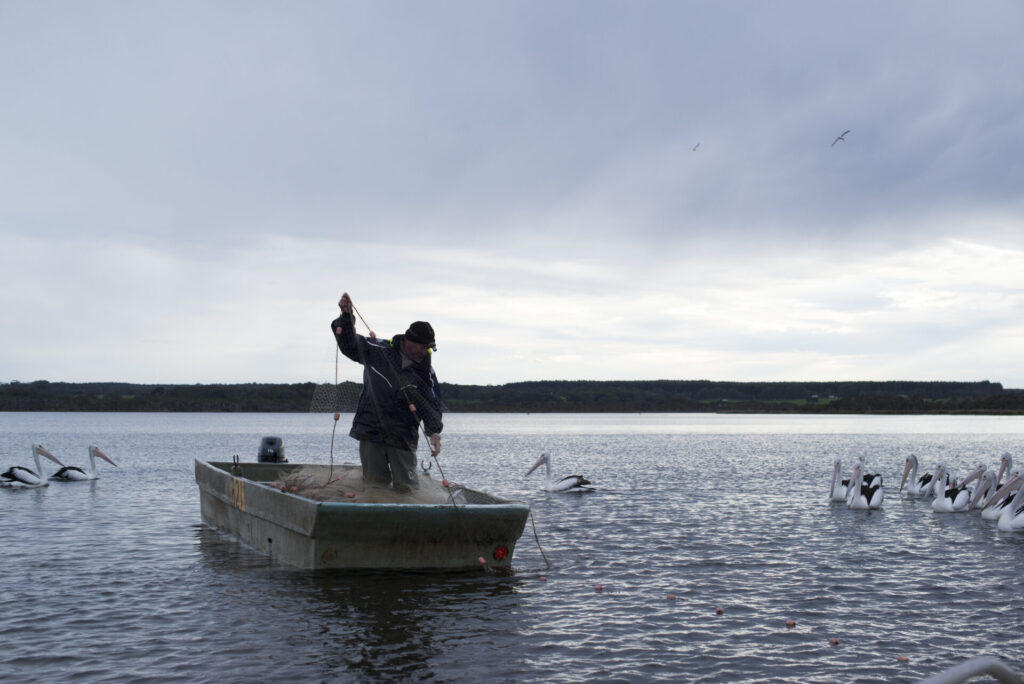
Western Australia’s seafood industry is deeply rooted in the State’s history and has played a vital role in shaping its economic, cultural and lifestyle identity.
Commercial fishing was among the earliest trades established following European settlement in the Swan River Colony, serving as a crucial source of food security and economic development.
Even before formal settlement, the WA coastline was active with fisheries-related industries, most notably whaling, which dates back to 1789 and included major operations in Albany.
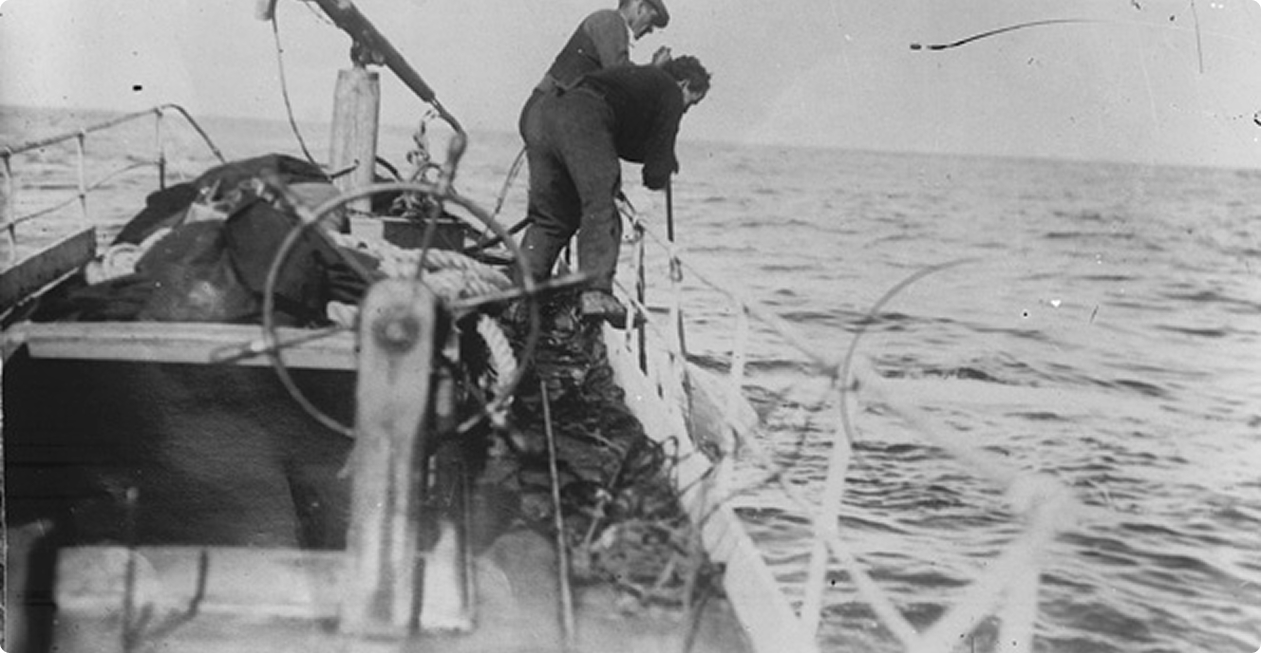
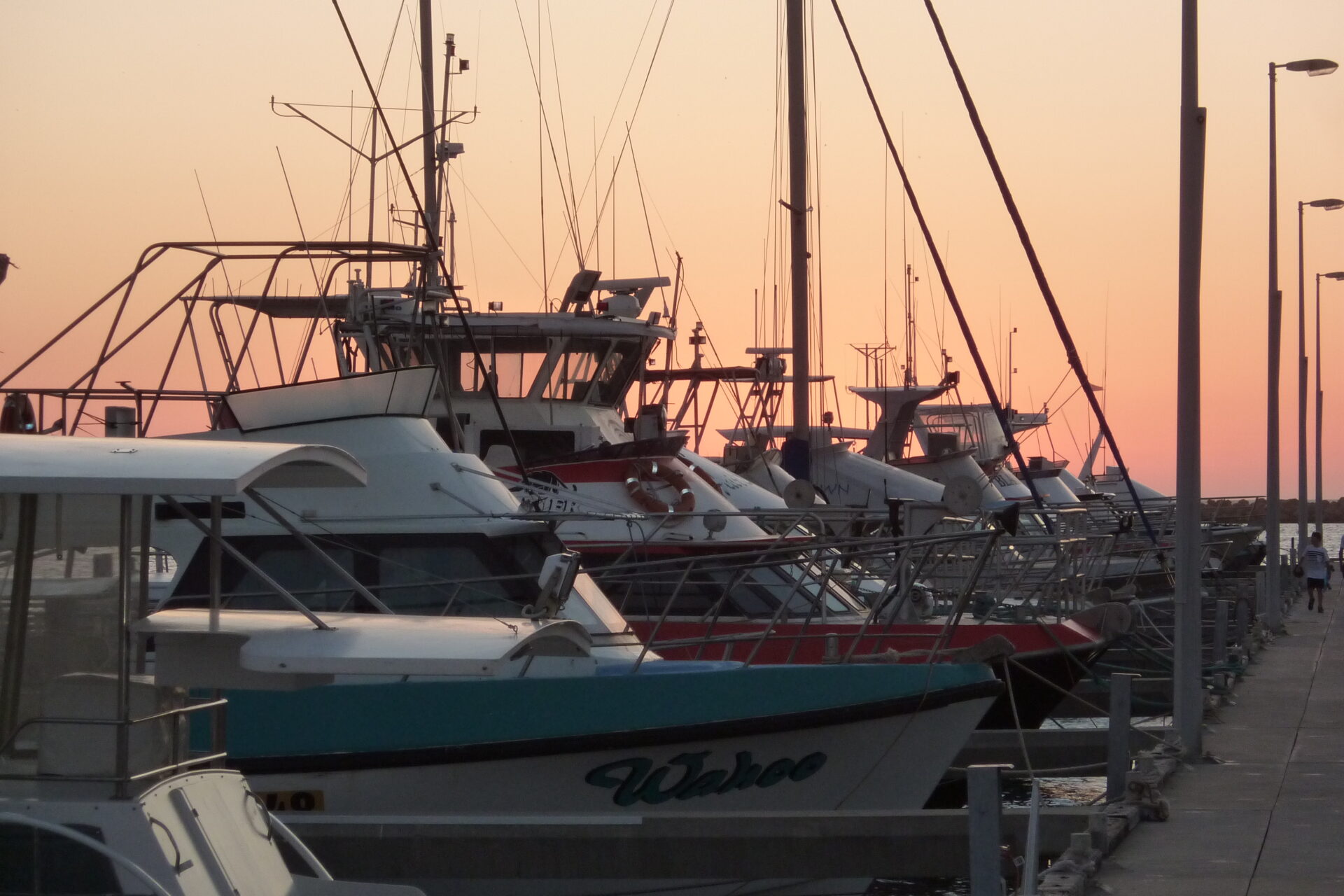
The footprints laid by these early fishermen created an important industry for the growing colony. Recognising the strategic importance of the seafood sector, the WA Government established the Department of Fisheries in the 1890s, making it one of the earliest government agencies in the state.
This move formalised the industry’s management and introduced compulsory licensing for fishermen and their vessels.
By 1900, a total of 191 boats and 401 fishermen were officially licensed, marking the beginning of structured commercial fishing in WA.
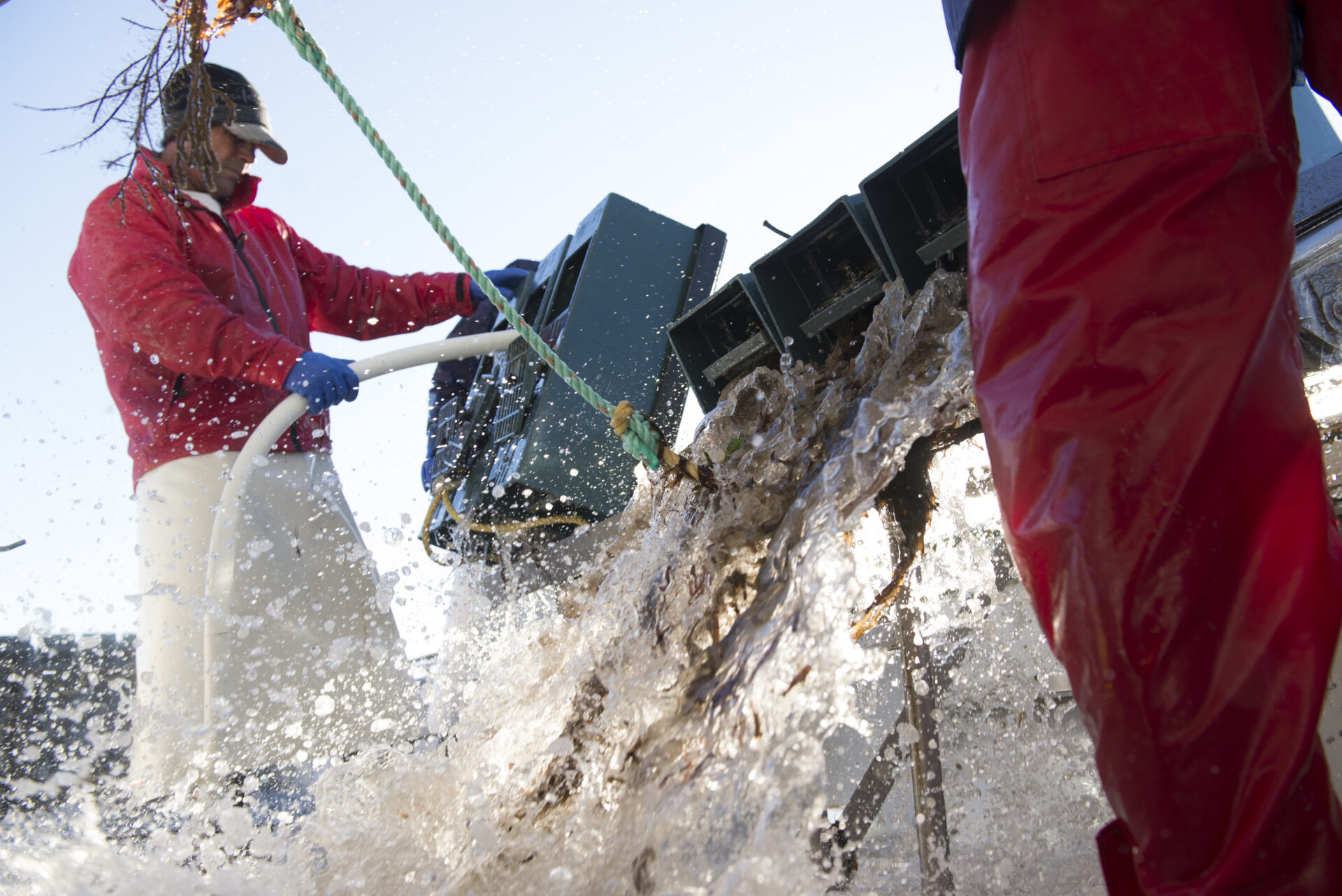
Today, the seafood industry remains a cornerstone of Western Australia’s economy, generating over $1 billion annually and supporting more than 9000 direct jobs, with thousands more in related sectors such as processing, logistics, and retail. Its impact is especially profound in regional coastal communities where it sustains local economies and complements other industries such as tourism, hospitality and retail.
From its historical roots to its modern-day economic significance, WA’s seafood industry continues to be a vital and enduring part of the state’s identity.