Fisheries Liaison and Impact Assessments
The rapid expansion of coastal, offshore oil and gas, and renewable energy developments presents significant challenges for the commercial fishing industry. Genuine and transparent consultation is essential to avoid or minimise direct and cumulative impacts on commercial fishing operations, fishers livelihoods, and seafood food security in WA.
Fisheries Liaison Fee-for-Service
WAFIC offers a fee-for-service designed to streamline and simplify the process of consulting with the commercial fishing industry. As part of this service, WAFIC advises the best way to consult with individual licence holders, ensuring that proponents meet their consultation obligations efficiently, whilst building trust, transparency and promoting collaboration opportunities with the commercial fishing industry.
Fee-for-service details are available on request.
For further information please contact WAFIC via email:
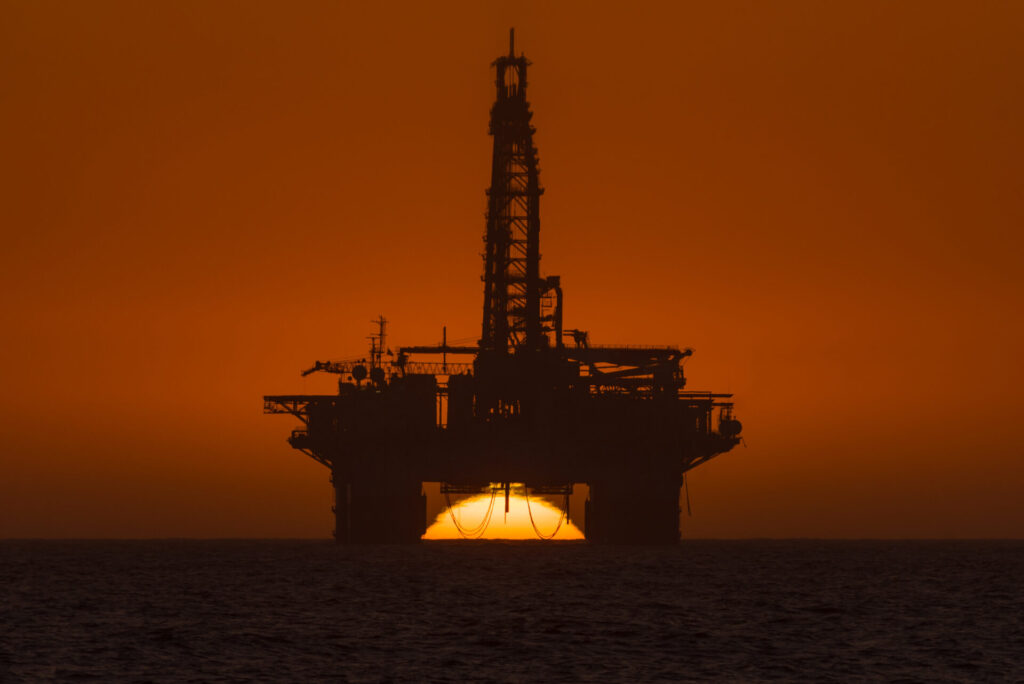
THE OFFSHORE OIL AND GAS INDUSTRY IS AN IMPORTANT COMPONENT OF WESTERN AUSTRALIA’S ECONOMY AND A SIGNIFICANT PLAYER IN THE SHARED MARINE ENVIRONMENT.
Activities such as seismic surveys, drilling, exploration, construction and installation of subsea infrastructure, and decommissioning are all oil and gas industry requirements. Many of these activities occur in the same place as fishing and have the potential to affect commercially important aquatic organisms, their prey and habitats, the business activities of commercial fishers, and food security for the broader community. WAFIC works closely with offshore operators to ensure impacts from oil and gas activities on commercial fishing is minimised.
WAFIC also continues to work closely with the National Offshore Petroleum Safety and Environmental Management Authority (NOPSEMA) for offshore activities in Commonwealth waters, the Department of Mines, Industry, Regulations and Safety (DMIRS) for offshore activities in State waters and engages with the Australian Petroleum Production and Exploration Association (APPEA) – the offshore oil and gas sector peak body.
GUIDANCE FRAMEWORK FOR EFFECTIVE CONSULTATION WITH THE COMMERCIAL FISHING INDUSTRY
WAFIC has developed a guidance framework to support offshore oil and gas consultation requirements and deliver conducive outcomes for the commercial fishing industry. The framework aims to provide best practice consultation principles and guidelines for oil and gas titleholders and should be read before consulting with the commercial fishing industry.
PREFERRED APPROACH FOR UNDERTAKING CONSULTATION FOR UNPLANNED EVENTS
To manage consultation fatigue with the commercial fishing licence holders, WAFIC requests titleholders develop separate consultation strategies for significant unplanned events (for example oil spill) where titleholders can demonstrate the likelihood of such events occurring is extremely low.
Consultation on unplanned events resulting in an emergency scenario should only be undertaken if an incident occurs.
WAFIC claims relating to titleholder preparedness for emergency scenarios
- Baseline scientific data on aquatic organisms and the marine environment
- An understanding of the process and strategy to temporarily close a fishery either via a voluntary process or formally through legislation under the Fish Resources Management Act 1994.
- Processes to support the commercial fishing industry with regards to traceability of fish product to manage tainting risks.
- A detailed process for post spill scientific monitoring of aquatic organisms and the marine environment.
- Commitment for financial assistance to the commercial fishing industry in the event the industry is unable to operate, due to an unplanned event.
Consultation with WAFIC in the event of an emergency scenarios
- Communication strategy for the commercial fishing industry in response to an emergency event, including a list of fisheries that fall within the environment that may be affected by the emergency scenario.
- WAFIC and commercial fishing licence holders are notified within 24 hours of any emergency scenario.
1 For Commonwealth Managed Fisheries that operate in WA waters clarification on consultation for unplanned events should be directed through the Commonwealth Fisheries Association, Tuna Australia or Australian Fisheries Management Authority.
Coastal Development
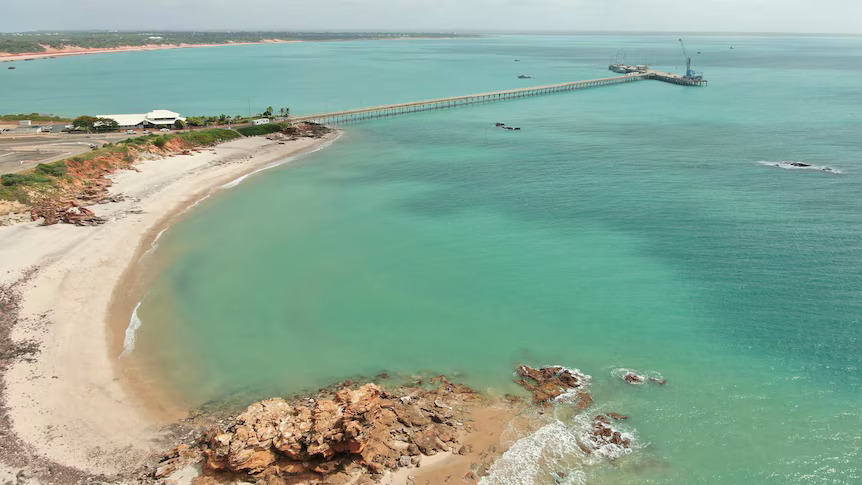
WAFIC and commercial fishers retain significant concerns regarding the growing number of coastal developments, particularly in relation to the cumulative impacts to nearshore habitats all along WAs coastline.
These ecosystems provide vital nursery and juvenile habitat for the recruitment of key fisheries and endangered species, some of which are vital commercial fisheries for the Australian public. Consequently, any direct or indirect disturbance or impacts from coastal developments could potentially result in significant fish population depletions, with flow-on effects to food availability.
A healthy and resilient marine environment is vital in the face of a changing climate. However, the cumulative pressures from ongoing and proposed coastal developments are eroding the marine environment natural ability to adapt and recover from climate-related impacts. It is therefore critical that no additional, avoidable stressors are placed on these already vulnerable ecosystems.
For this reason, early, genuine, and transparent consultation with WAFIC and potentially impacted commercial fishers is essential. Such engagement enables the identification of practical and effective measures to avoid, minimise, or offset environmental impacts. Meaningful consultation is critical to preventing habitat loss, safeguarding fish populations, maintaining the viability of commercial fisheries, and ensuring long-term seafood security for Western Australia.
Examples of developments requiring consultation with WAFIC and commercial fishers include, but are not limited to:
- Salt production projects
- Port development and dredging
- Renewable hydrogen projects
- Seawater desalination plants
- Sand mining projects
- Cable Installation
Offshore Renewable Energy
In line with WAFIC’s Climate Change Policy, we acknowledge the global importance of addressing climate change and are committed to helping Western Australia’s commercial fishing industry adapt to its impacts.
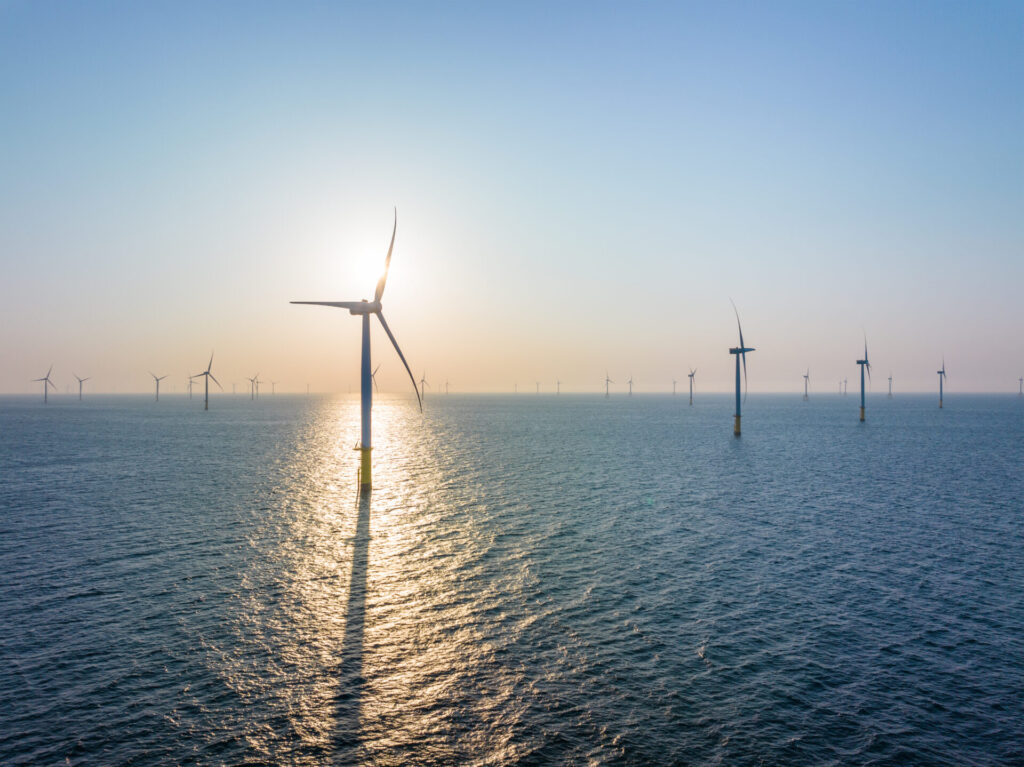
We recognise the Australian Government’s emissions reduction targets—aiming for a 43% reduction by 2030 and net zero by 2050. Offshore wind energy has quickly become a prominent renewable energy option that could contribute significantly to achieving these national goals and transitioning Australia’s energy system.
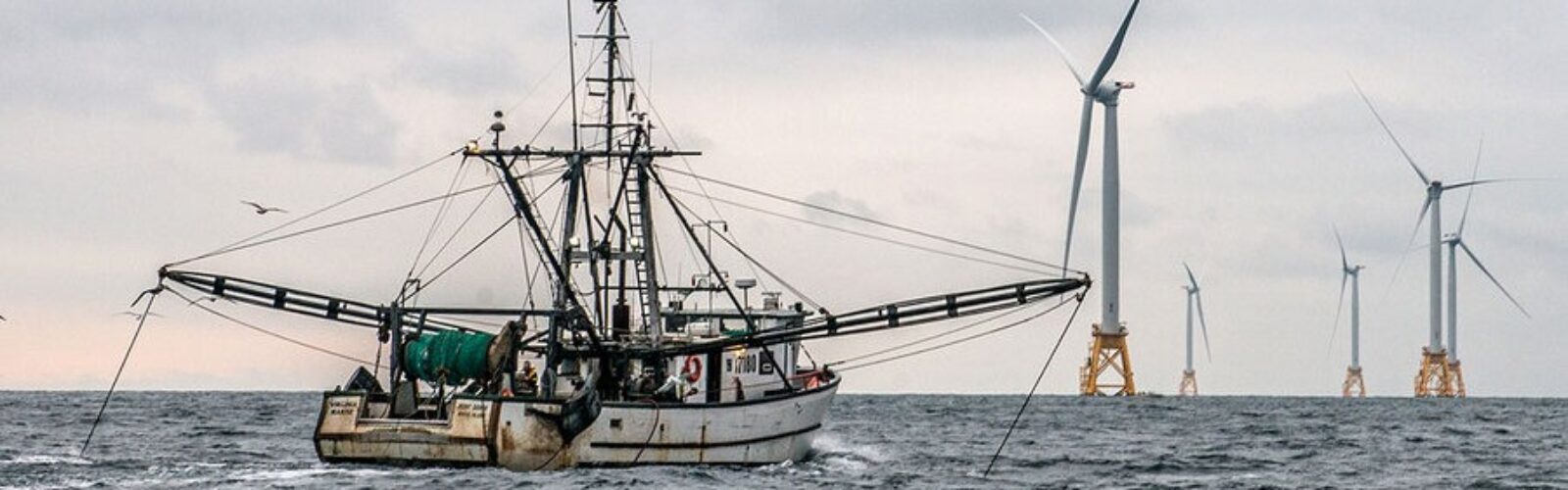
To ensure that offshore wind developments co-exist with commercial fishing operations, it is essential that proponents engage in meaningful, early, and transparent consultation with WAFIC and potentially impacted fishers. This will help identify potential interactions between industries and implement measures to avoid, minimise or offset impacts such as the displacement of fishing effort or interference with fishing operations.
To guide this process, WAFIC has produced two key documents for offshore renewable energy proponents: the Offshore Renewable Energy (ORE) Position Statement and the ORE Guiding Principles Statement. Proponents are expected to thoroughly review these documents before initiating any consultation with the commercial fishing industry. These should also be read alongside the Offshore Infrastructure Regulator’s guidance: Offshore Renewables and Interactions with Fisheries.