Illegal Fishing and Fraud
Knowing where your seafood comes from matters. For WA consumers, it means confidence that the fish on their plate was caught sustainably and handled safely. For our fishers, it means fair competition in a marketplace where their high standards are recognized and valued.
WAFIC advocates strongly for transparency in seafood sourcing, pushing for clear labelling and robust import controls that protect both Western Australian consumers and our local fishing industry.
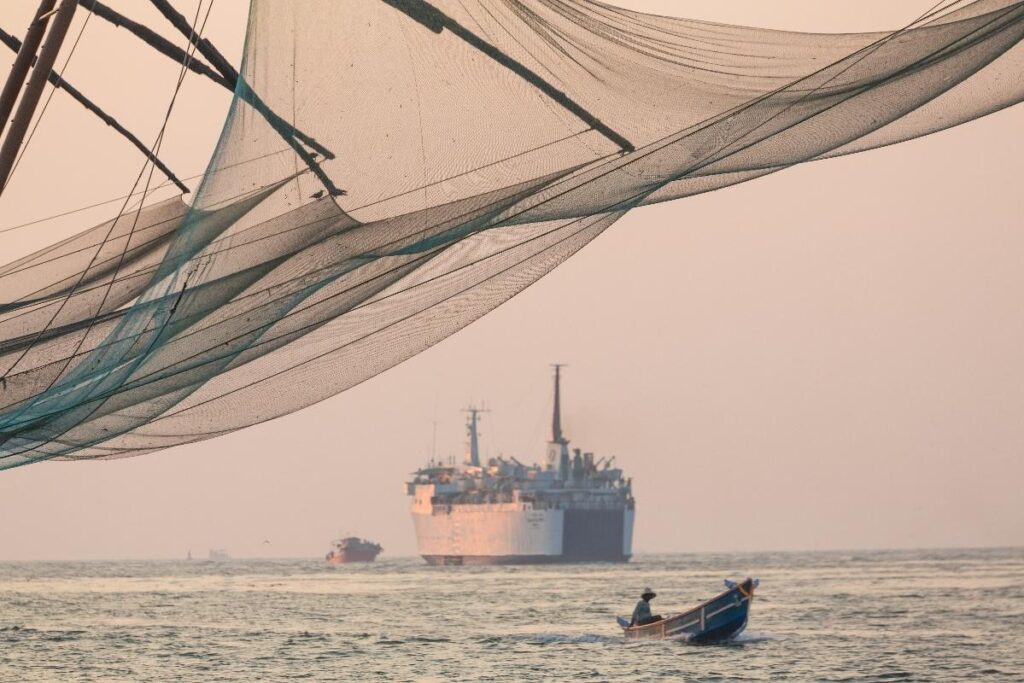
However, transparency is difficult to control in global seafood markets. Illegal, Unreported and Unregulated (IUU) fishing is widespread in developing nations, and seafood fraud is rampant internationally. Together, these practices represent critical threats to the sustainability of our fisheries, the livelihoods of legitimate commercial fishing.
What is IUU Fishing?
IUU fishing encompasses three key areas:
- Illegal fishing
Fishing activities that violate established laws and regulations within a jurisdiction or region. - Unreported fishing
Catch that is not reported, or is misreported, to the appropriate fisheries authorities. - Unregulated fishing
Fishing by vessels without nationality, or in areas where no management rules have been established or agreed upon.
The Seafood Fraud Problem
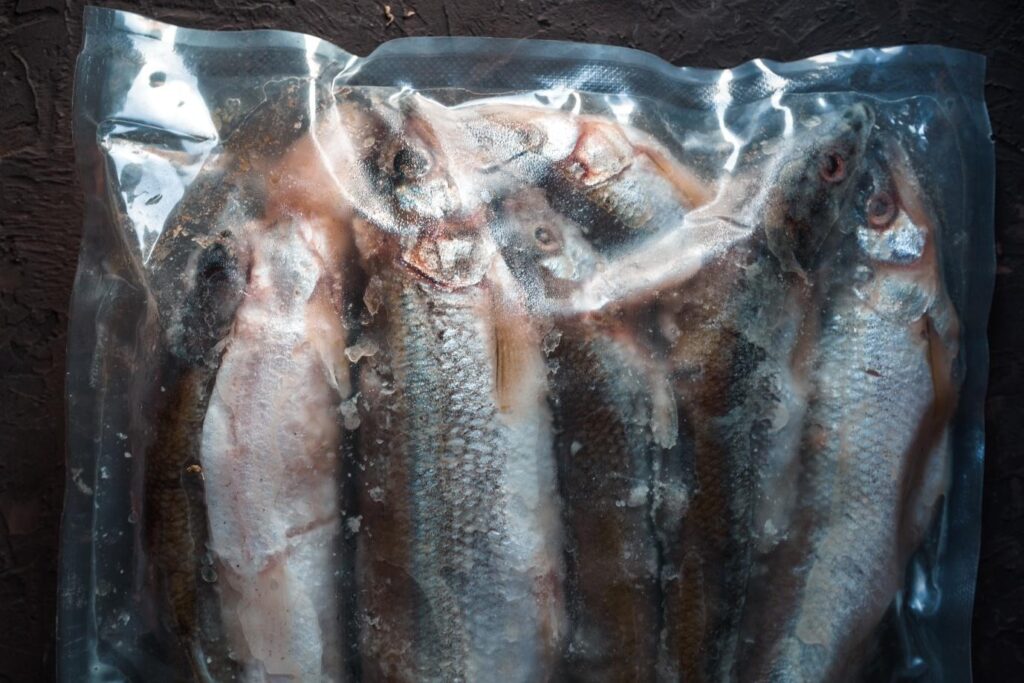
Beyond IUU fisheries overseas, seafood fraud compounds the challenge facing Australian consumers and legitimate fishers.
A 2023 Minderoo Foundation study revealed that nearly 12 per cent of common seafood products sold in hospitality settings in Australia were mislabelled by species or origin, meaning one in eight seafood purchases may not be what consumers thought they were buying.
Seafood fraud takes several forms:
- Species substitution
Replacing premium species with cheaper alternatives (such as parrotfish sold as snapper) or even threatened species (like school shark marketed as gummy shark). - Short-weighting
Misrepresenting product weight through practices like over-glazing, soaking, or excessive breading, charging consumers more for less actual seafood. - Origin mislabelling
Falsely identifying where seafood was caught through trans-shipping, at-sea transfers between vessels, or falsifying trade documents to avoid regulations, duties, and inspection fees.
These deceptive practices allow unscrupulous operators to undercut honest businesses while denying consumers the transparency they deserve.
Country of Origin Labelling a major win
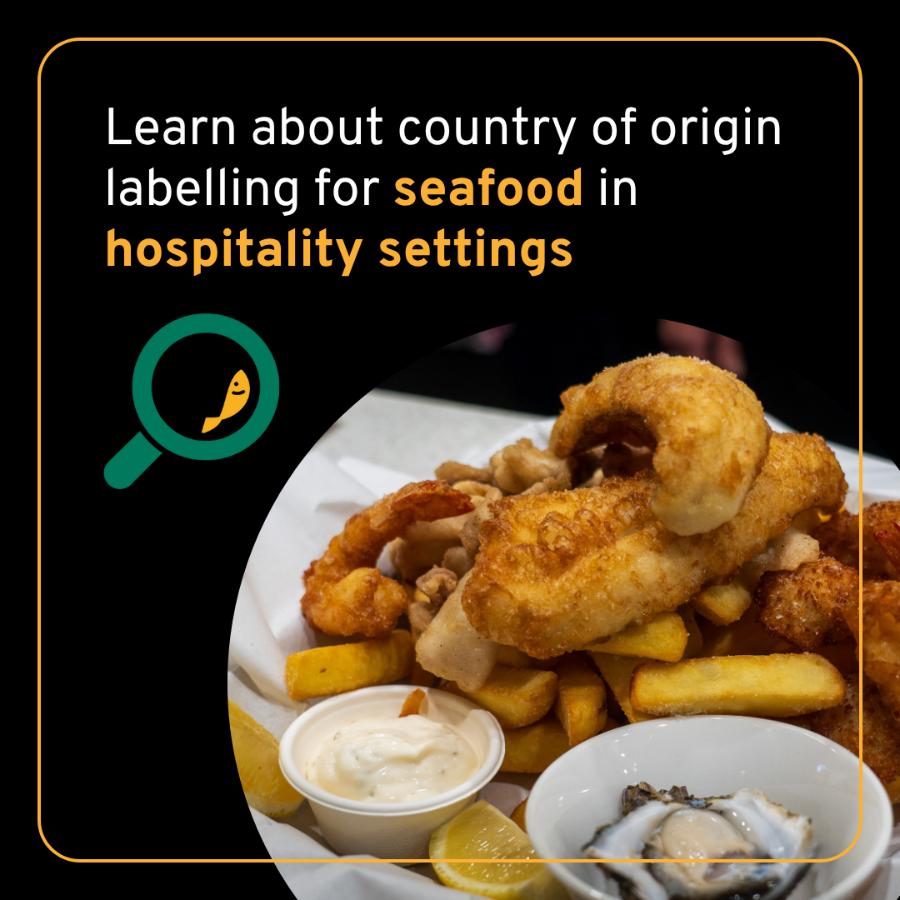
In July 2025, our advocacy helped to achieve a significant milestone with the announcement of new Country of Origin Labelling laws for seafood served in hospitality settings.
From 1 July 2026, restaurants, cafes, pubs and other hospitality businesses will be required to display the origin of seafood dishes using the AIM guidelines: ‘A’ for Australian, ‘I’ for imported, or ‘M’ for mixed origin seafood.
This change empowers consumers to make informed choices while highlighting the quality and sustainability of locally-caught WA seafood. It’s a crucial step toward combating both IUU fishing and seafood fraud by increasing transparency throughout the supply chain.
By preventing IUU fishing products and fraudulent seafood from entering Australia, we protect our sustainable fisheries, support fair competition for WA’s commercial fishers, and give consumers confidence in their seafood choices, whether dining out or shopping at home.
When you choose WA seafood, you’re choosing transparency, sustainability and quality you can trust.
For more information about CoOL click here: