Feeding WA
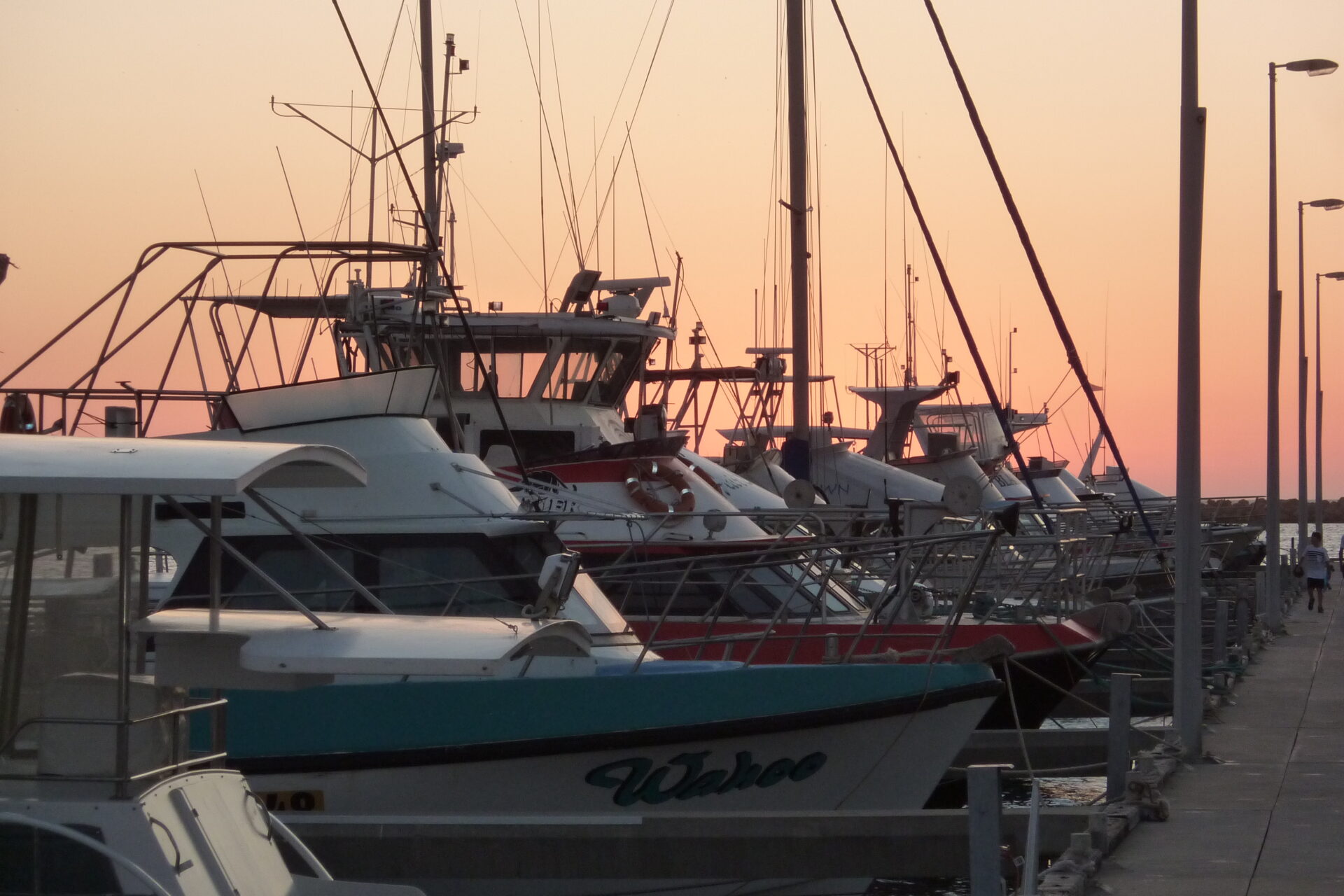
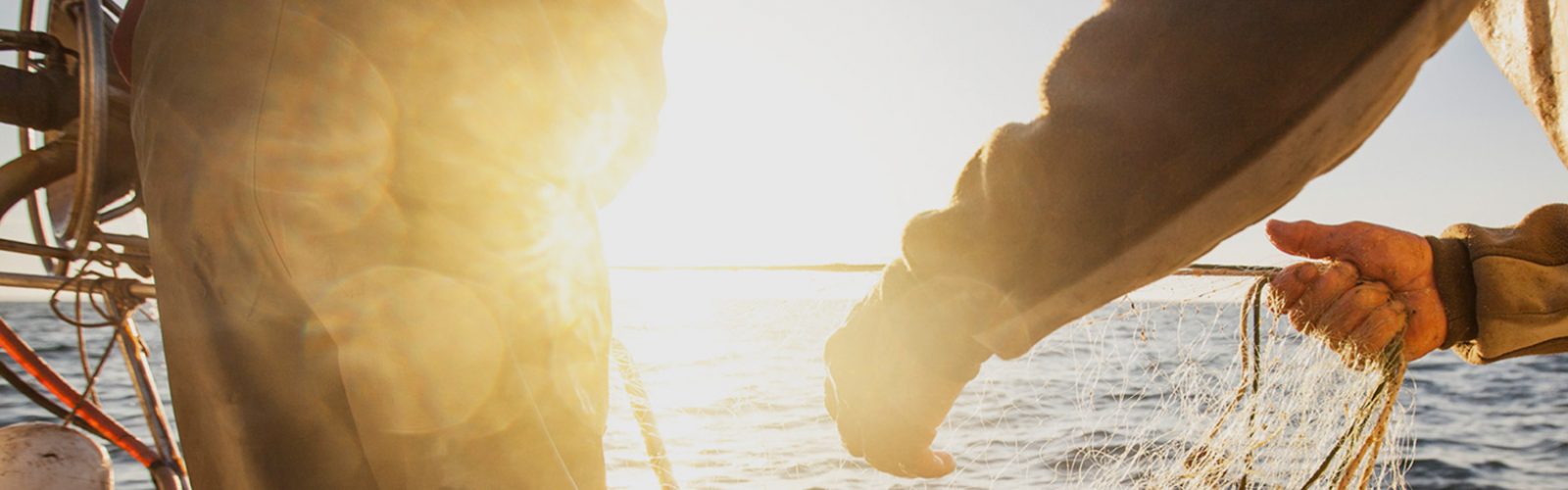
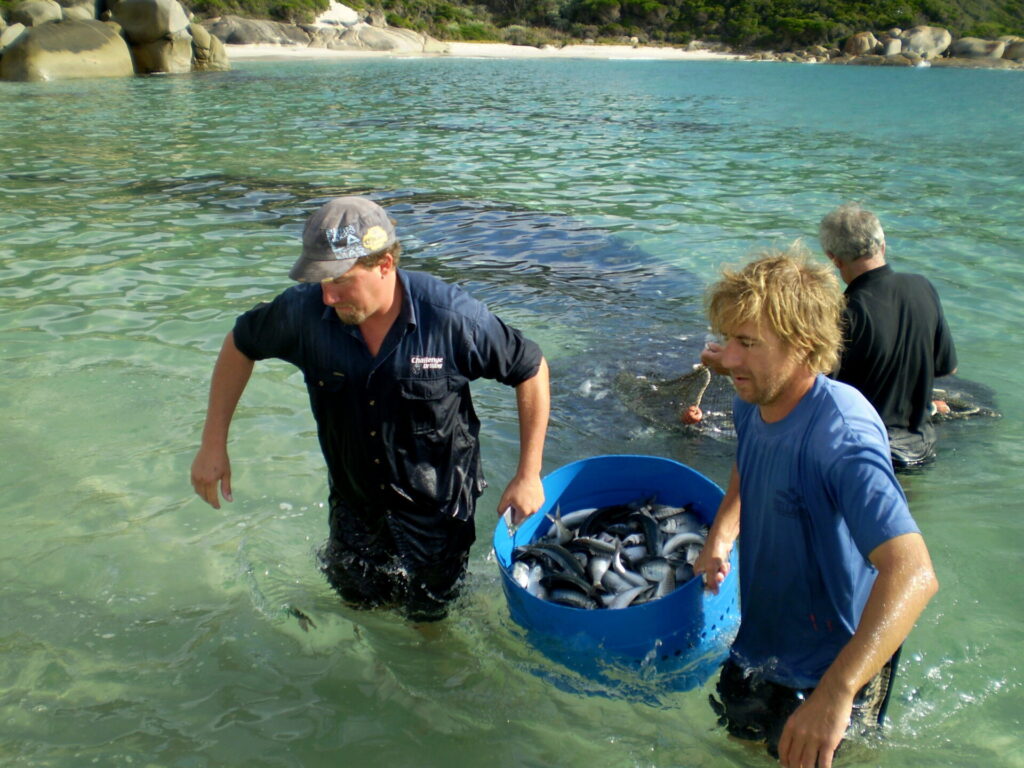
Fishing is one of Western Australia’s foundation industries. It has been part of WA since before colonial times and has served the state well through famine, wars and more recently, COVID-19 lockdowns.
During the pandemic, the WA Government officially recognised commercial fishing as an essential industry and a pillar for food security. As thousands of people were sent to work from home, WA fishers were sent to sea to feed the state while its borders remained closed. This recognition affirmed what the industry has always known: that commercial fishing is both essential and sustainable.

What is food security?
According to the United Nations, food security is defined when all people, at all times, have physical and economic access to sufficient safe and nutritious food that meets their dietary needs and food preferences for an active and healthy life.
Australia is currently considered a food secure nation. We meet domestic nutritional demands while also exporting food to support our international trade partners. This balance between feeding Australians and contributing to global food supply demonstrates our strong position in food security.
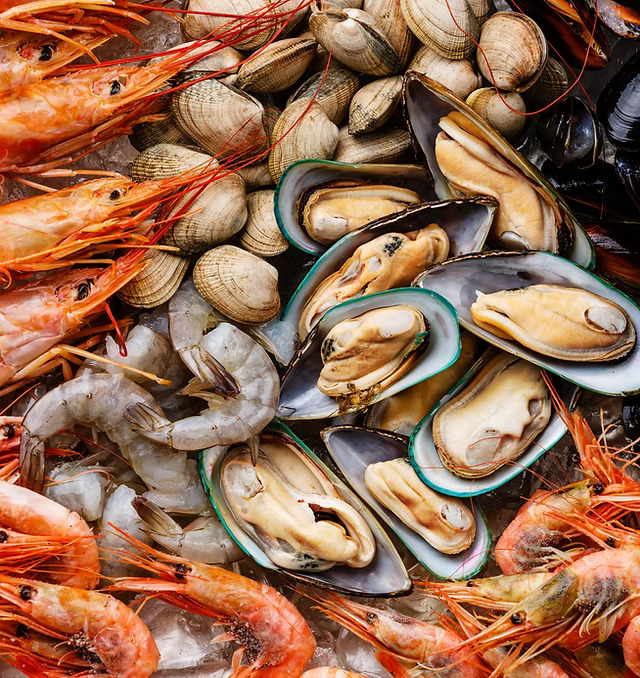
Globally, fisheries play a key role in this picture. They deliver sustainable, renewable and nutrient-rich protein to an estimated three billion people, including over one billion people who rely directly on fish as their primary protein source.
Getting the balance right
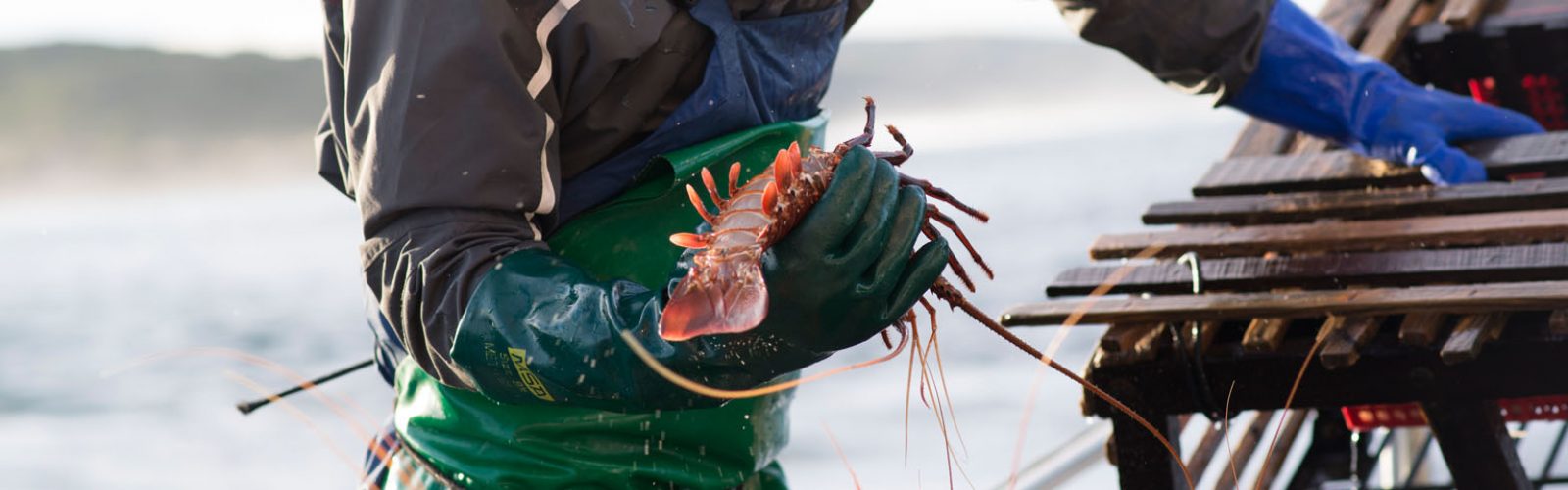
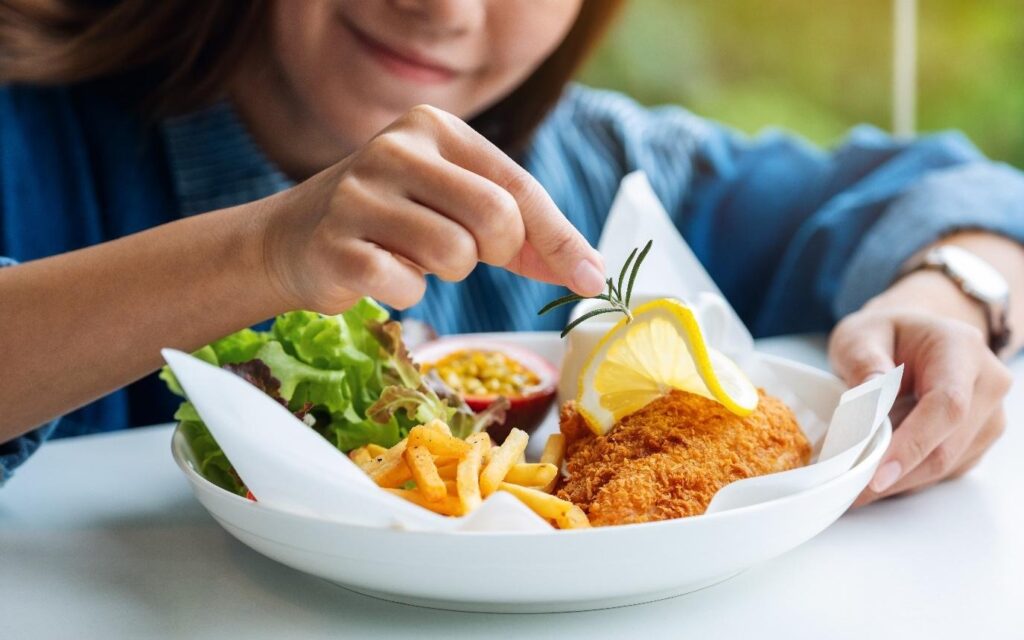
Government fisheries scientists currently rate WA’s fisheries as being 94 per cent sustainable and not at risk. Despite operating under world’s best practice, commercial fishing can only meet approximately 30 per cent of domestic consumer demand. More than 70 per cent of the seafood consumed in WA is imported.
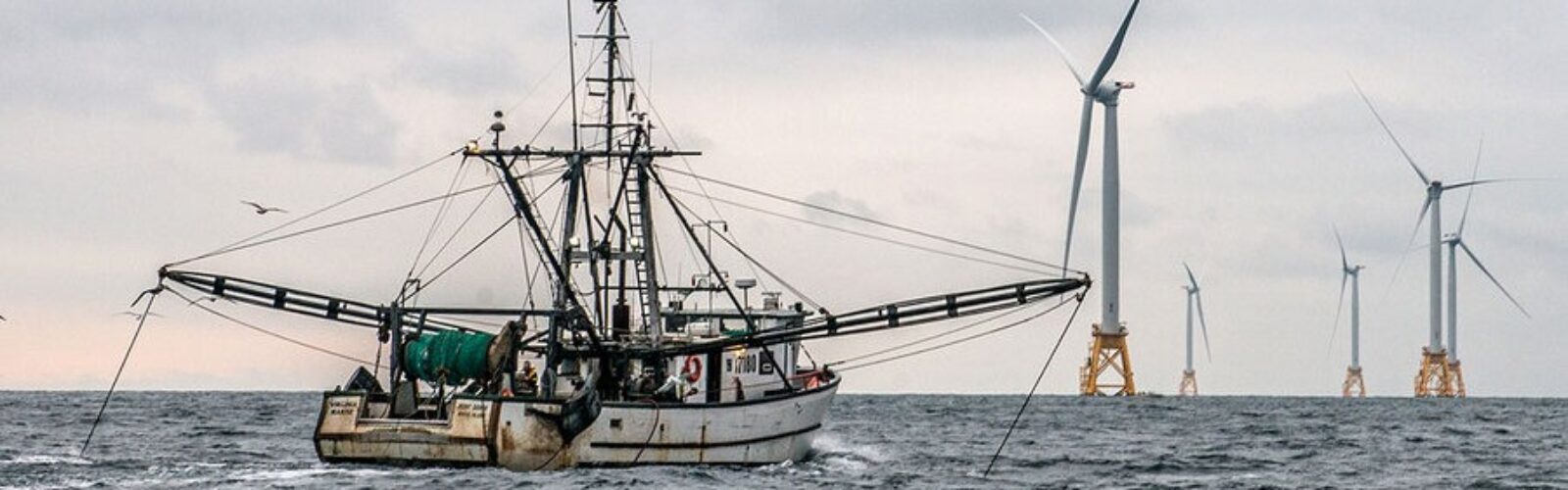
This gap is set to widen. Growing competition for valuable, productive fishing areas is coming from the oil and gas sector, industrial coastal developments, proposed wind farms and expansive marine sanctuaries. It will only become harder to feed our state from local waters.
The balance between supply and demand rests on a fundamental truth that often gets lost in translation. Every kilogram of sustainably caught WA seafood that is lost to other industries or marine sanctuaries is another kilogram that will be imported, often from unsustainable sources. This is a delicate yet important balance, and one that can be achieved if all parties strive for coexistence.
This is why WAFIC has continuously pushed for vigorous import controls and transparency in seafood sourcing. Working alongside conservation organisations, industry bodies and social justice advocates, we’ve championed stronger protections for our industry and for Australian consumers.
Future challenges
Whilst Australia is currently in a strong food security position. There are a growing number of challenges that could upset the balance including climate change, geo-political landscape, biosecurity and supply chain issues.
Climate change and marine heatwaves are a significant concern for primary industries and subsequently food security, therefore greater emphasis must be placed on renewable and sustainable fishing practices that occur within Australia, as a solution to the future threat of food insecurity.