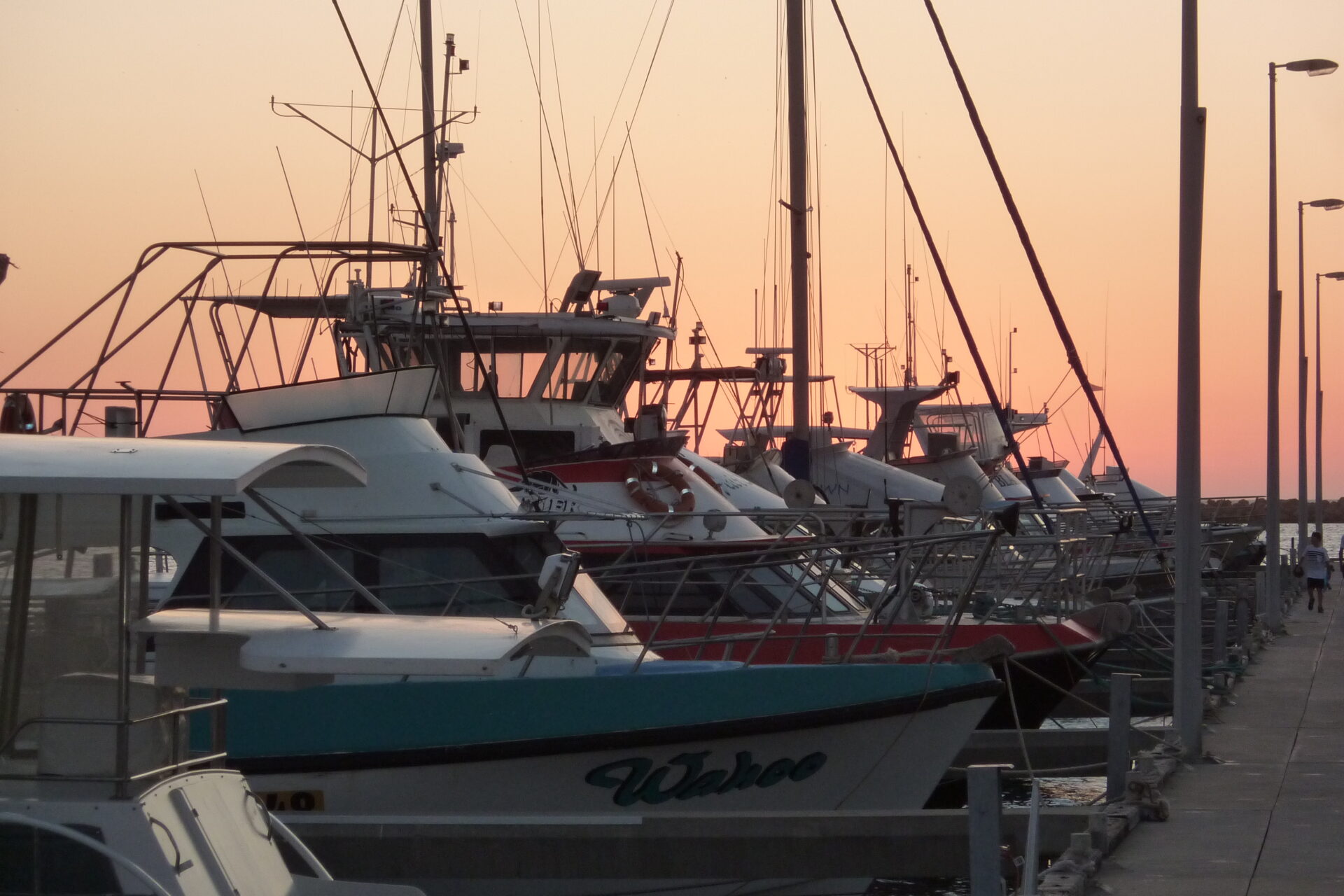

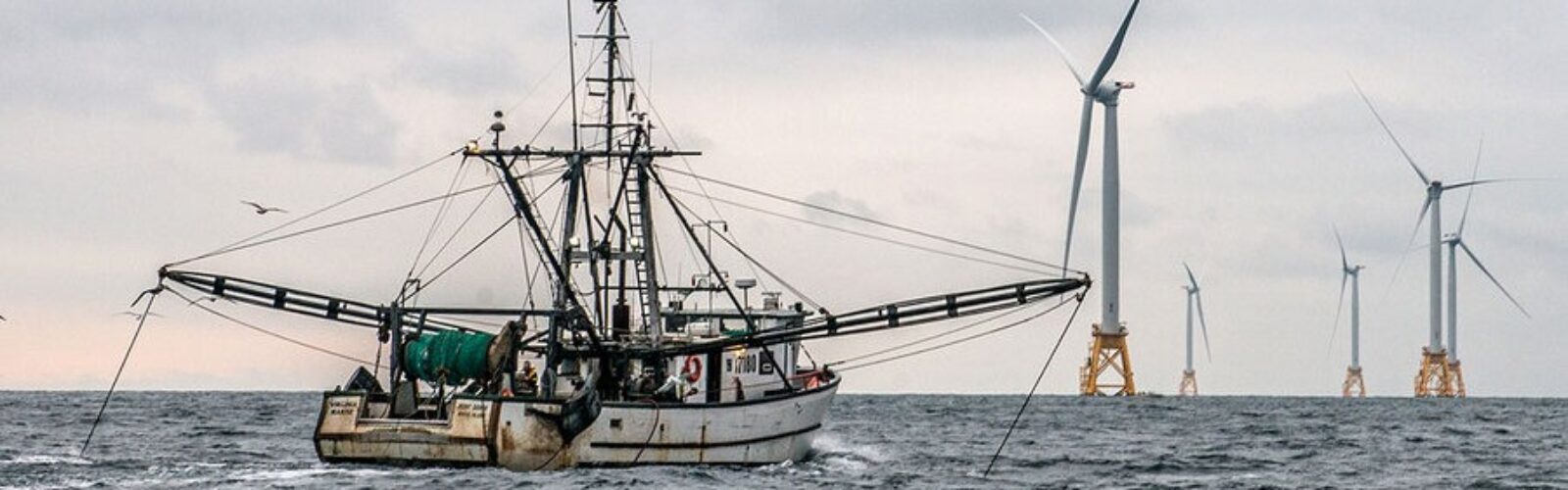

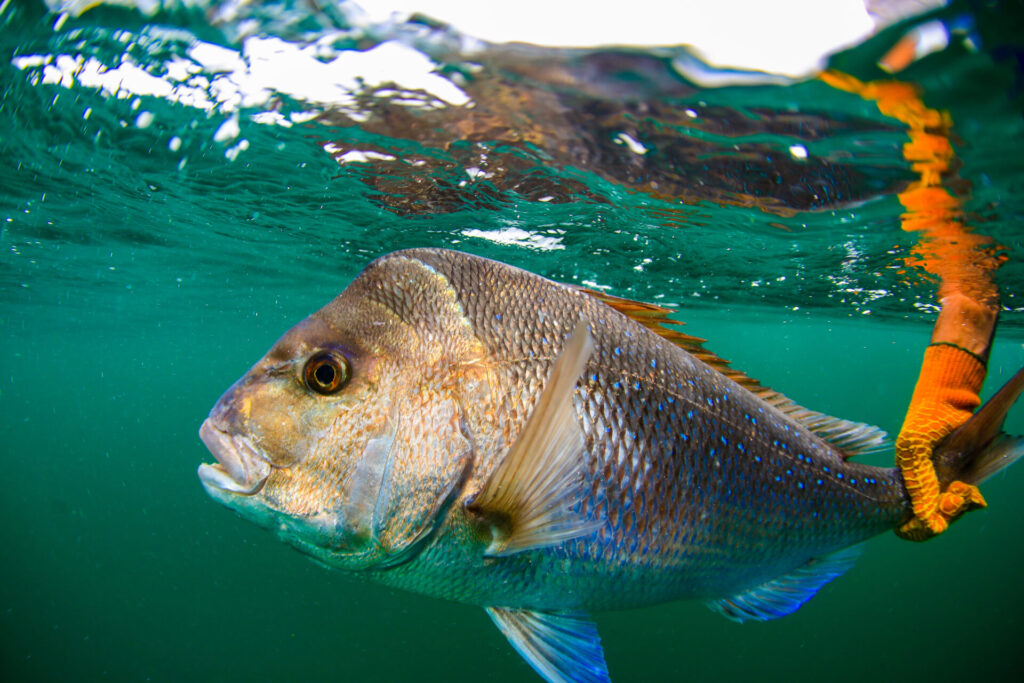
As part of the transition to new demersal fishery management arrangements, quota reform workshops were held in the Kimberley (23 June 2026), South Coast (25 June 2026), and Gascoyne/Kalbarri (16 June 2026) regions. The workshops sought industry input on operational arrangements for the proposed quota-managed fishery and helped inform the development of options for formal consultation.
Across all regions, participants expressed a strong interest in further discussion of the proposed quota and operational arrangements, noting that many operators are still adjusting to the December 2025 closures and 50 per cent catch reductions. Stakeholders also raised broader issues relating to governance, sector allocation, science and fisheries management resourcing.
Industry representatives in all three regions requested additional opportunities to refine proposals before the formal statutory consultation process. A common theme was the importance of considering all fishing sectors within the management framework, including mechanisms to improve accountability and reporting across sectors. These discussions reflected ongoing concerns about future allocation arrangements and the long-term sustainability of the fishery.
WAFIC and Stay Afloat were present at each meeting and advocated for a fair and transparent process, and that the new system will need to be practical and ensure economic viability of the industry as well as strengthen access rights.
Key themes raised by industry
- Process and engagement: Participants welcomed the opportunity to provide input but sought further engagement before proposals progress to formal consultation to allow additional time to consider and refine management arrangements.
- Governance and resourcing: Industry highlighted the importance of transparent decision-making, effective advisory structures, and sufficient resourcing to support fisheries science and management. Gascoyne/Kalbarri participants specifically questioned whether the announced $5.8 million enhanced science funding would be sufficient to meet future needs.
- Sector allocation: Across all regions, stakeholders supported clearly defined commercial, recreational and charter sector shares, with improved recreational catch reporting viewed as important for accountability and informed decision-making. Gascoyne/Kalbarri participants also discussed recreational post-release mortality, barotrauma impacts and onboard camera monitoring.
- Science and data: Participants advocated for strengthened stock assessment programs, independent surveys and greater use of industry-generated data. Specific concerns were raised about stock assessment assumptions and the timeliness of information used to inform management decisions.
- Cross-jurisdictional issues: South Coast participants raised concerns about catches of Western Australian Bight redfish by the Great Australian Bight Trawl Sector, while Gascoyne/Kalbarri participants highlighted potential impacts of Western Deepwater Trawl Fishery bycatch on demersal species. Greater collaboration with AFMA was suggested.
- Operational arrangements: Discussions covered potential management plan and harvest strategy settings, including zoning, indicator species, gear restrictions, electronic catch reporting and monitoring requirements (VMS/IOM). Views in Gascoyne/Kalbarri were divided on the potential use of fish traps, and WAFIC has committed to facilitating further discussion to consolidate regional positions.
- South Coast fishery concerns: South Coast participants raised concerns about the future of the SCLFMT in light of the proposed temporal closure and suggested that consideration of these changes be aligned with the development of the quota framework.