
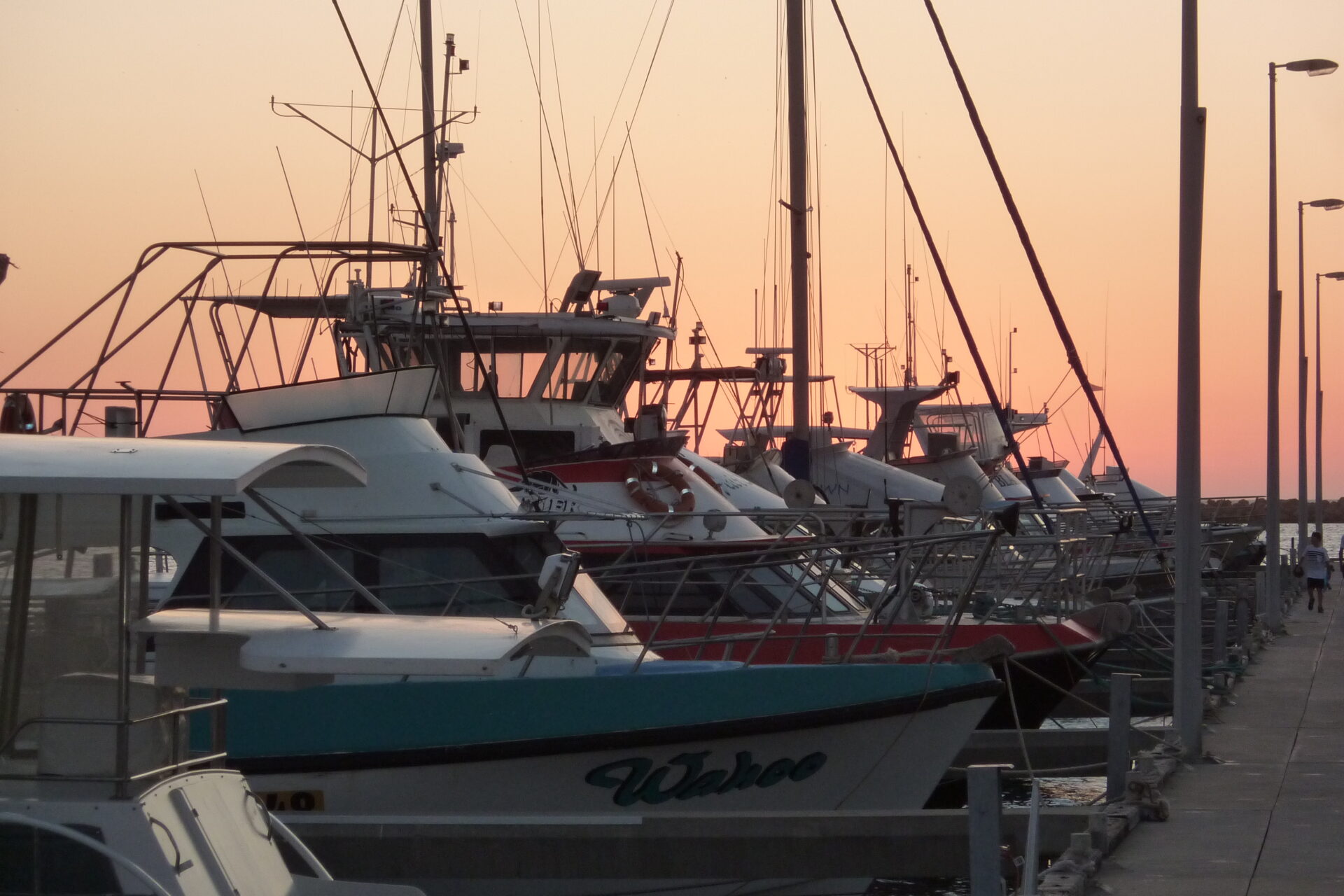
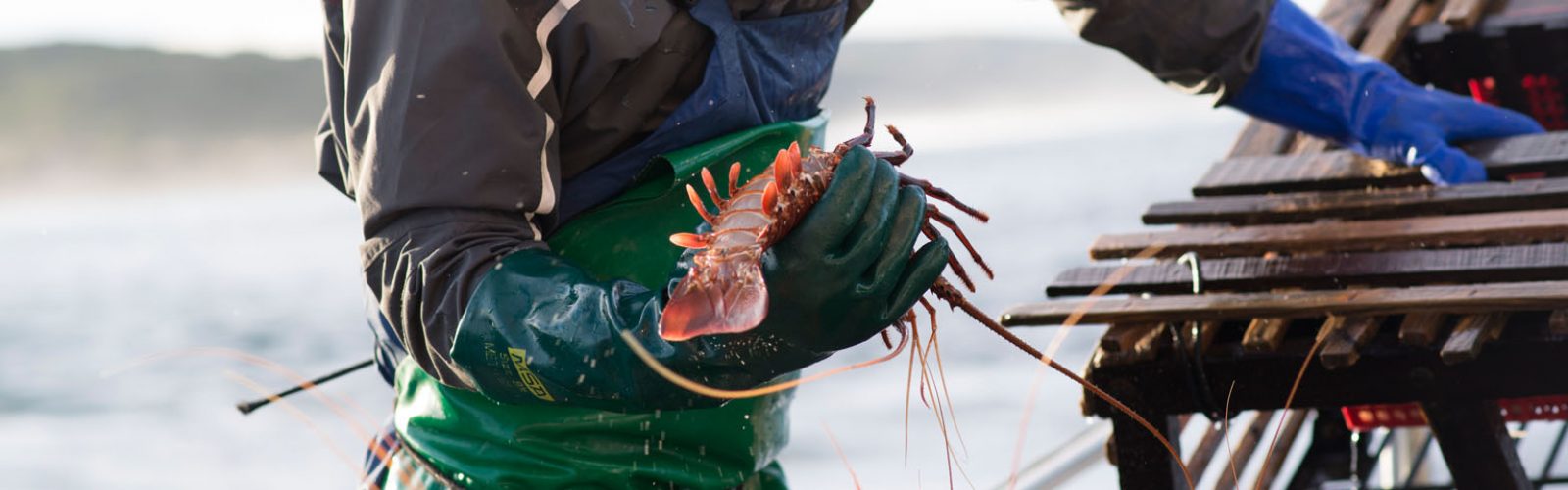
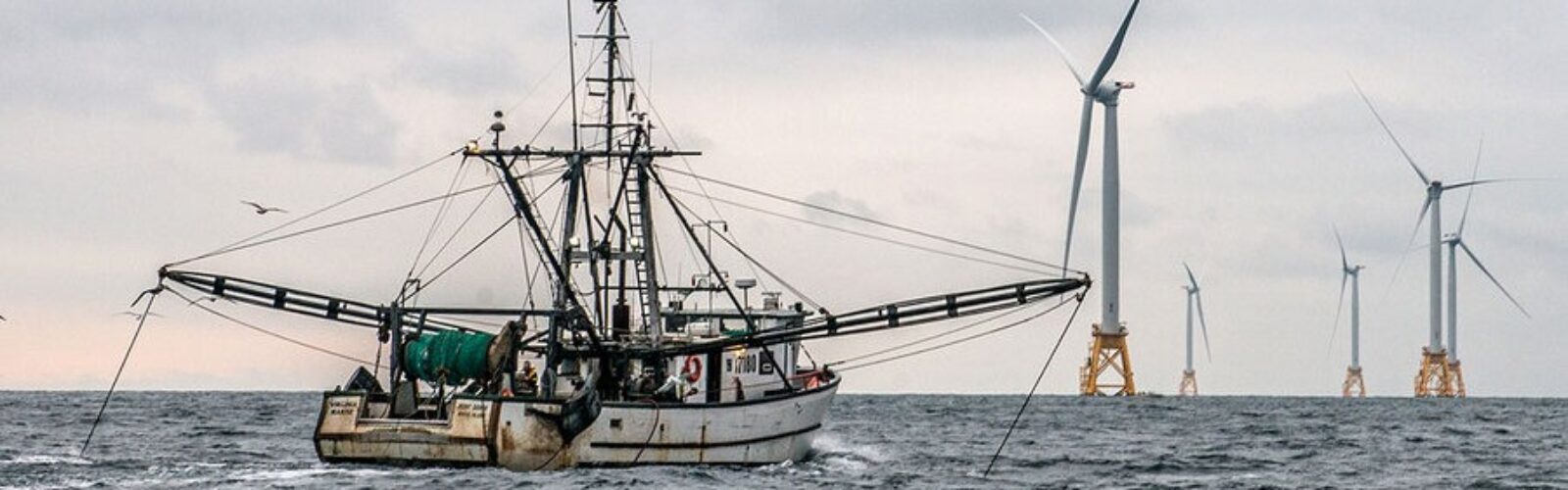
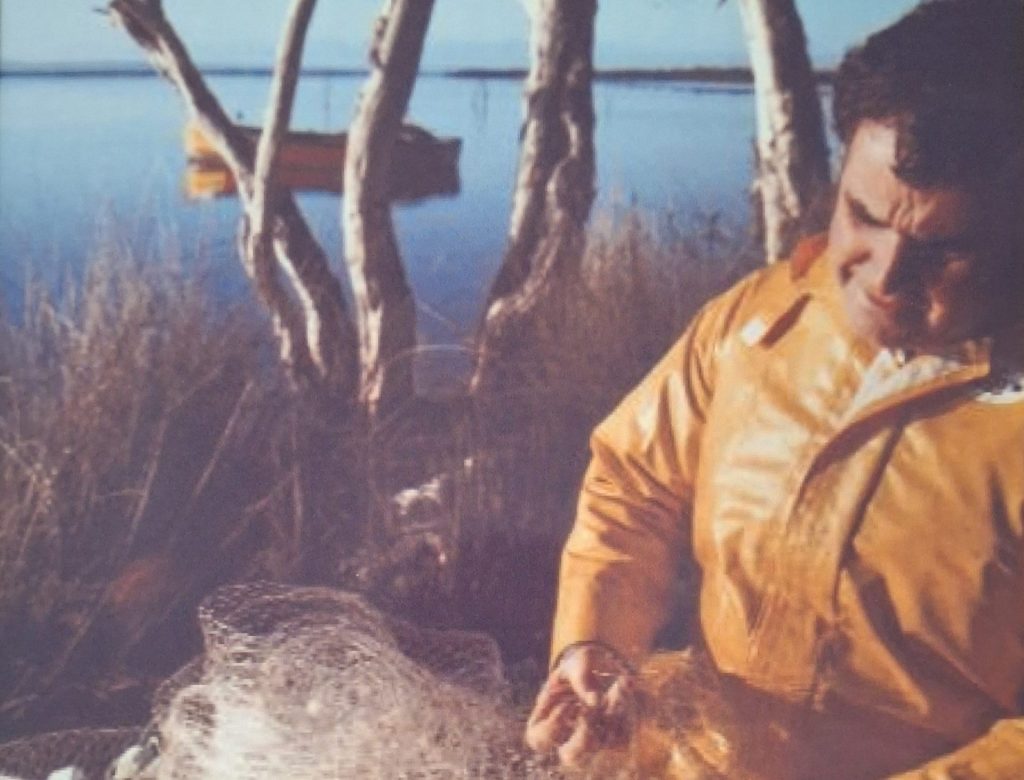
For more than a century, fishing has been more than a livelihood for the Watts family. It has been a way of life.
Across five generations, the family has followed the tides of Western Australia, building boats in backyard sheds, hauling nets through the shallow waters of the Peel Inlet, battling storms off Shark Bay, adapting to a changing estuary and finding new ways to take their catch from the water to the family table.
It is a story of hard work and hardship, innovation and resilience, laughter and the occasional disaster. Above all, it is a story about family and a shared love of fishing.
Now, as third-generation fisher John Loton Watts prepares to bring his own remarkable working life on the water to a close, the family has taken time to reflect on the stories that shaped them and the generations that came before.
They are stories that offer a glimpse into another era of commercial fishing: a time when knowledge was handed from father to son, boats were designed on kitchen floors and built in sheds, and much of the science was learnt by watching the water, understanding the seasons and simply being out there every day.
Where the story began
The Watts family’s Australian story began with Alfred Loton Watts, who emigrated from the United Kingdom in 1893.
A qualified pharmacist, Alfred settled at Dawesville in Western Australia, working as a teacher before marrying local woman, Esther Morfitt. Together they built a three-bedroom home among the farms and trees of what was then known as Ashley Estate and raised seven children.
With the Peel-Harvey Estuary on one side and the Indian Ocean on the other, fishing was woven naturally into family life and eventually became their livelihood.
Four of Alfred and Esther’s sons would spend their working lives aboard fishing boats, establishing a connection with the water that would continue through another four generations.
Born in 1911, Ernest Watts was especially drawn to the nets. By the age of nine, he was fishing full time alongside his father and brothers.
In 1940, Ernest married his childhood sweetheart, Alice Brown, herself from a local fishing family. They had two children before Ernest was called away to serve with the Australian Army in New Guinea.
When the war ended, Ernest returned home and returned to what he knew. Fishing.
That pattern, of leaving when circumstances demanded it and returning to the water when they could, would become a familiar thread through the Watts family story.
Built by hand, learned by experience
In those times, fishing the Peel Inlet required more than determination.
With parts of the estuary only around 40 centimetres deep, conventional fishing boats simply could not reach many of the areas the family needed to work. So the Watts family did what fishing families of the era often did. They built their own.
In a backyard shed, they designed shallow-draft boats capable of navigating the inlet while carrying sizeable catches back to the jetty. Seventeen boats were eventually built there.
The earliest were powered by oars. Later came powered vessels, with the family developing designs that placed the outboard motor in the centre of the boat to improve safety and working efficiency.
There were no computers and no sophisticated design software. The boats were drawn full-size on the kitchen floor before being constructed in the shed.
Those lines remain there today, hidden beneath the lino, an unlikely record of the family’s ingenuity and an enduring piece of its fishing heritage.
Timber hulls eventually gave way to fibreglass, and fibreglass to aluminium. But the principle remained the same: understand the water and build a boat capable of working it. That same practical experimentation extended to fishing itself.
Science was limited and catches could be unpredictable. Some days the decks overflowed. On others, hours of work produced barely a handful of fish.
The isolation of the family’s operations created another problem. With unreliable freight and a dirt road into Mandurah, simply catching fish was not enough.
The family began processing, freezing and transporting its own catch. What started through necessity became an early lesson in controlling more of the journey from boat to market.
A boy who just wanted to fish
By 1954, the next chapter of the Watts fishing story was ready to begin.
John Loton Watts was just 12 years old and restless to get to work. With the family living remotely and access to school difficult, a conversation was held with the local headmaster. Before long, John had left the classroom and joined his grandfather and uncle fishing the inlet.
The water became his classroom.
Whiting, mullet and cobbler were plentiful, while river prawns provided an important seasonal catch. Interestingly, the blue swimmer crabs for which Mandurah would later become famous were nowhere near as common.
Prawn fishing was beautifully simple. The boats were secured in the tidal current and nets dropped about a metre below the surface. Then the tide did the work, carrying the prawns into the nets.
But simple did not necessarily mean easy. Prawning often meant working at night, followed by long drives home on dark, unsealed roads alive with wildlife.
On one memorable evening, John swerved to avoid a kangaroo and deposited the night’s entire catch of prawns across the road.
There was little time for despair. The family jumped out under the moonlight and began scooping prawns off the road before another vehicle came through.
It was fishing life at its most unvarnished: unpredictable, demanding and, years later, the source of some of the family’s best stories.
Following the fish north
For John, the attraction of fishing was never simply about the catch. There was an independence to it and always the possibility that something new lay over the horizon.
In 1964, that possibility took John and Diane, their family and their boats north to Shark Bay.
It was a very different world.
The protected waters of the Peel Inlet were replaced by a wild, exposed coastline where a beautiful morning could turn dangerous with frightening speed.
The family’s shallow-draft boats, so perfectly adapted to the estuary, were far less suited to open water. Safety equipment was basic by today’s standards. There was no radio or radar on board.
On one occasion, the boat left the jetty after receiving a favourable weather report. Moments later, an updated warning advised fishers not to head out. John and his crew never received it and sailed directly into a storm around South Passage and endured days of appalling conditions. John became so violently seasick he lost around 10 kilograms.
It revealed one of the great contradictions in the Watts family story. Despite five generations devoted to fishing, seasickness has been an almost equally persistent family tradition.
They survived the storm, but the experience helped bring the family’s Shark Bay chapter towards its conclusion.
Mother Nature offered one final reminder on the voyage south, when another squall turned what should have been a three-day journey home into seven gruelling days at sea. Still with no radio.
They made it home sick but safe, as they always seemed to do.
A small part in a remarkable legacy
The family’s time in Shark Bay also connected John with a story that would extend far beyond commercial fishing.
John worked predominantly from Monkey Mia. During the family’s time there in the early 1960s, John recalls a young girl holidaying in the area swimming with a dolphin that had befriended her.
John began giving the girl mullet to feed the dolphin. Over time, other dolphins joined them.
Those early encounters became part of the story surrounding the development of the dolphin experience for which Monkey Mia would eventually become famous around the world.
For the Watts family, it was another example of how a lifetime spent around the water could produce legacies no one imagined at the time.
When the estuary changed
Back home, the waters that had sustained generations of fishing families were changing.
Perhaps nothing demonstrated that more clearly than the opening of the Dawesville Cut in 1994.
Designed to increase the flow of seawater through the estuary and help address algal blooms, the Cut also coincided with profound changes in the fishery.
Species that fishers had relied upon for decades changed in abundance and distribution. Prawns became harder to find, while blue swimmer crabs, once a relatively uncommon catch, became increasingly important.
Cobbler also became scarcer as the estuary continued to change through urban and canal development, altered environmental conditions and rising water temperatures.
For a family accustomed to reading the seasons and adapting its fishing accordingly, change itself was nothing new. But the scale of this change was different.
Commercial fishing on the Peel-Harvey had once supported a substantial community. Around 130 commercial operators worked the waters during the 1950s. As one generation retired, however, fewer sons and daughters chose to follow.
Fishing was rewarding, but it was demanding, physical and uncertain and today, only seven commercial licences remain.
For John, that makes the memories of the 1950s and 1960s particularly precious.
Life was hard, but it was also simple. The family worked together. They looked after one another. And each morning there was another day on the water.
Changing with the times
The industry John entered as a 12-year-old bears little resemblance to the one he leaves.
Generations of fishermen once relied heavily on inherited knowledge, observation and experience. They watched the tides, seasons and behaviour of fish, learning lessons that could only come from spending thousands of hours on the water.
Over time, that knowledge was increasingly complemented by formal fisheries science, research-based stock assessments and a new approach to managing fishing effort.
Fishers also developed a closer working relationship with fisheries scientists, managers and government.
John recalls an era when fishers and managers regularly sat around the same table discussing the future of the resource, sometimes with the Fisheries Minister joining the conversation and continuing it informally over a drink at the local pub.
For John, there is an important lesson in that history. Sustainable fishing requires science and good management, but lasting change also depends on trust, transparency and respect for the knowledge held by people who have spent their lives working on the water. Those relationships remain as important to fishing’s future as they were to its past.
Beyond the boat
The Watts family has also learned another lesson familiar to generations of Australian farmers: sometimes the future lies beyond the farm gate.
For fishing families, catching the fish is only the beginning of its journey. Processing, branding, retailing and developing direct relationships with customers can create more value from the same resource and give small fishing businesses greater resilience.
A fish that may return $10 a kilogram when sold whole, can potentially have a retail value many times greater once processed and prepared for the consumer.
For the Watts family, vertical integration was never a management theory. It began because they had to solve practical problems themselves. They caught the fish. They transported it. They processed it. Eventually, they sold it.
Today, Wattsie’s remains the only fishing operation on the inlet with its own processing and retail outlet. Yet the market continues to evolve.
Species once overlooked are finding new customers. Sardines and herring are enjoying renewed interest, while there is hope consumers will rediscover mullet for its eating and nutritional qualities.
Even silver roach, once regarded largely as an unwanted bycatch, has developed a market, particularly within Asian cuisine. It is another reminder of a lesson the Watts family has learned many times over five generations: fishing never stands still. You either adapt with it, or it leaves you behind.
A life well lived on the water
Now, more than seven decades after a restless 12-year-old first went fishing with his grandfather and uncle, John is preparing to step away from the industry that has defined so much of his life.
But this is not simply the end of a fishing career.
Standing in the boat shed, John can look across and see his two sons continuing the family business. Behind them are two of his grandsons learning the waters their fathers, grandfather, great-grandfather and generations before them once fished. They are now the fifth generation.
Much has changed since Alfred Loton Watts settled at Dawesville more than a century ago.
The boats have changed from timber to fibreglass to aluminium. Oars have given way to powerful outboards. Dirt tracks have become multi-lane highways. Fisheries science has transformed. Markets have evolved. The estuary itself has changed. But some things have endured.
The willingness to rise early and work hard. The ingenuity to solve a problem with whatever is at hand. The resilience to endure bad seasons, changing regulations, uncertain catches and rough seas. The knowledge accumulated through countless days on the water.
And, above all, the love of fishing.
John’s legacy therefore cannot be measured simply in years worked, boats built or tonnes of fish caught. It lives in the knowledge he was given and has passed on. It lives in the family business that adapted and survived when so many others disappeared. It lives in the stories exchanged in boats, sheds and around kitchen tables. And it lives in the next generation.
For five generations, the Watts family has made a living from these waters. In return, the water has given them something much greater than a livelihood. It has given them a life.
And for John Loton Watts, it has been a life well lived.