Mental Health
Mental health and Wellness support
Commercial fishing is a demanding profession that often involves extended periods at sea, long hours and significant time away from home and community. While the industry has made substantial strides in safety with improved vessel design, stronger regulatory frameworks and enhanced onboard safety systems, life at sea continues to present inherent risks and unique pressures.
However, the mental health challenges faced by fishers extend well beyond the physical demands of the job.
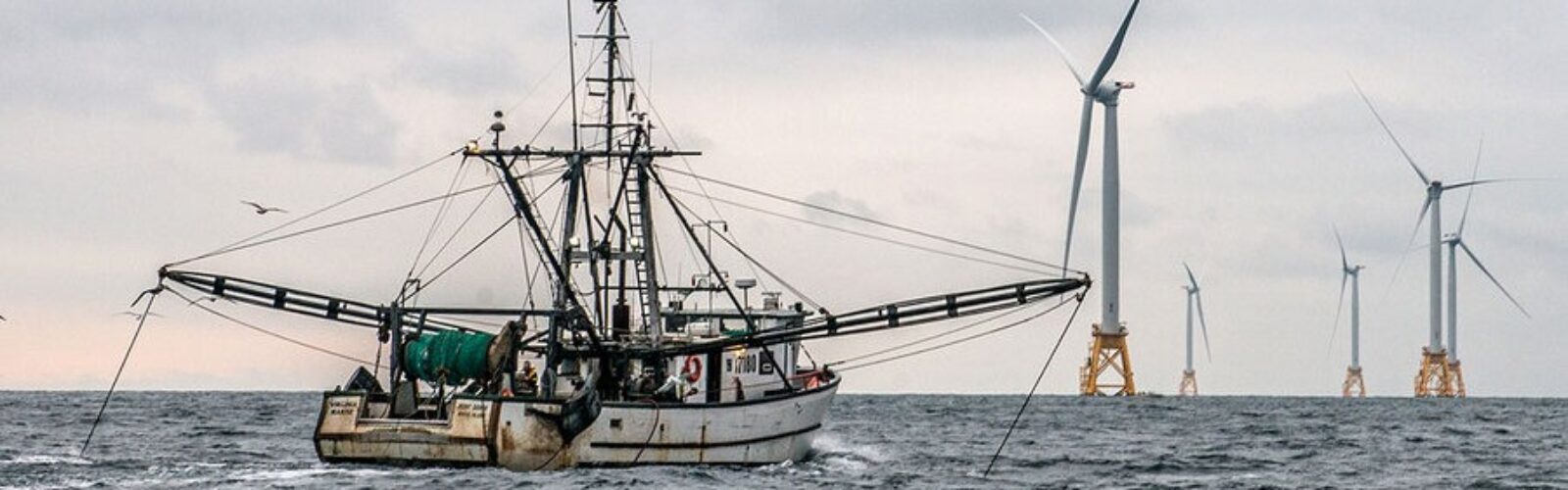
Increasing competition for access to marine resources is intensifying, as other sectors, including oil and gas, offshore wind energy and coastal industrial developments such as solar salt and dredging projects encroach on traditional fishing grounds.
These developments are displacing fishers further offshore, increasing operational costs, environmental impact, and time away from loved ones.
Adding to this pressure is the rapid expansion of marine sanctuaries and marine protected areas. Many of these are introduced with limited scientific transparency and minimal consultation with industry stakeholders. The swift implementation of closures, often without timely or adequate compensation, places additional strain on fishers already navigating a complex and evolving regulatory landscape.
Given these cumulative impacts, it is not surprising that mental health has become a significant concern across the commercial fishing industry.
WAFIC’s commitment to mental health support
To address these challenges, the Western Australian Fishing Industry Council (WAFIC) is working closely with key stakeholders, including the Department of Primary Industries and Regional Development, to improve access to mental health services and provide fishers with practical tools to manage stress and build resilience.
On-site mental health support
Wherever possible, WAFIC collaborates with mental health professionals to ensure support teams are present at fisheries meetings and industry events. These initiatives help normalise mental health conversations and provide fishers with confidential, immediate access to advice and assistance.
Training trusted community advocates
Peer-led support is critical to engagement. Through partnerships with programs such as Stay Afloat, WAFIC is helping to identify and train local fishers and industry stakeholders in mental health first aid. To date, more than 100 trusted advocates have been trained in WA.
These advocates serve as trusted sources of support within their communities, fostering a culture of care and connection.
Information sharing through media and outreach
Timely access to relevant information is essential. WAFIC regularly publishes articles, wellness tips and mental health advice through its website and newsletters.
To further engage the community, WAFIC has launched a podcast series titled Back on Dry Land, a metaphor for finding stability after challenging times at sea.
The series features conversations with mental health experts and industry voices, exploring the unique pressures faced by fishers, practical coping strategies and ways to initiate supportive conversations with colleagues and friends.
For mental health support, please see below.
Free Counselling services:
Rural Financial Counselling Service WA offer free financial counselling to fishing businesses (including metro) – Freecall: 1800 612 004 or visit the website here.
Financial Counsellors’ Association WA offer a similar service for wage and salary earners. Freecall 1800 007 007 or visit their website here.
The Regional Men’s Health Initiative is a good place to start to discuss the stresses of the fishing industry: (08) 96 902 277, Email: [email protected], or visit the website here.
PHONE HELP LINES:
Mental Health Emergency Response Line (available 24/7)
Perth: 1300 555 788
Peel: 1800 676 822
RuralLink (4.30pm – 8.30am weeknights 24 hours on weekends and public holidays)
Tel: 1800 552 002
Lifeline (available 24/7)
Tel: 13 11 14
Mens Line Australia (available 24/7)
Tel: 1300 789 978
STAY AFLOAT WA
The Stay Afloat Program has recently re-launched in WA, and coordinators Steve and Mel are keen to connect with as many people in the industry as possible, including fishers and their family members.
They understand that many in the industry are doing it tough right now, and while they can’t change the circumstances everyone is facing, they hope to offer practical support, information, and someone to talk to during a very challenging time. Even a small amount of support can make a difference.
Over the coming months, Steve and Mel will be visiting local communities where possible, and in the meantime will also be reaching out by phone and email to see how they may be able to assist you during this time.
You can contact the Stay Afloat team by email at: [email protected]
https://www.stayafloat.com.au/
